
The Role of the Narrator
A Christmas CarolThe narrator's direct address to the reader and his commentary on the story.
increasing Bearing strength in each event
 decreasing
Bearing strength in each eventdecreasingThe Opening Assertion
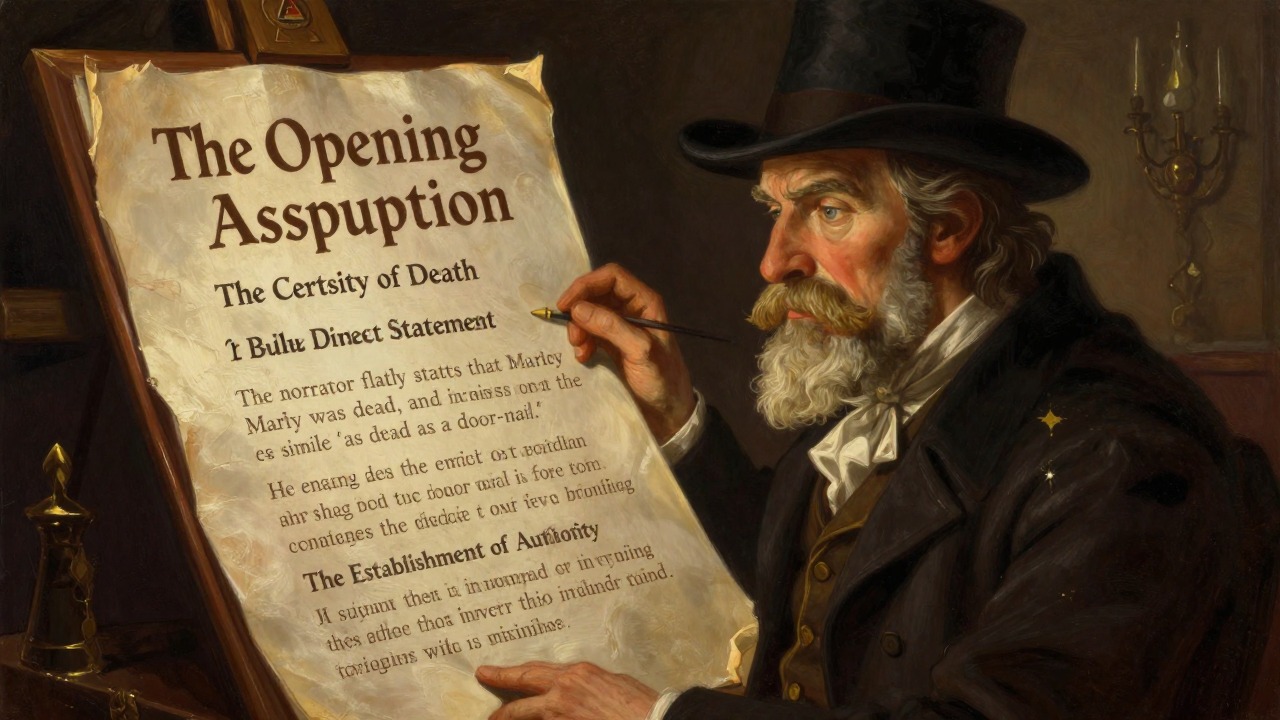
The Certainty of Death
The Direct Statement
The narrator flatly states that Marley was dead, and he insists on the simile 'as dead as a door-nail.' He engages the reader with a wry tone.
The Establishment of Authority
The narrator's voice is present throughout, guiding the reader's interpretation. He is a character in his own right.
The Interjections
The Author's Voice
The Humorous Asides
The narrator makes jokes, such as about the difficulty of getting a hearse up the stairs. He also includes personal reflections, like his wish to join the children's games.
The Moral Commentary
The narrator often steps in to emphasize the moral lessons, such as when he praises the Cratchits' happiness. His presence enhances the story's emotional impact.
The Closing Blessing
The Final Words
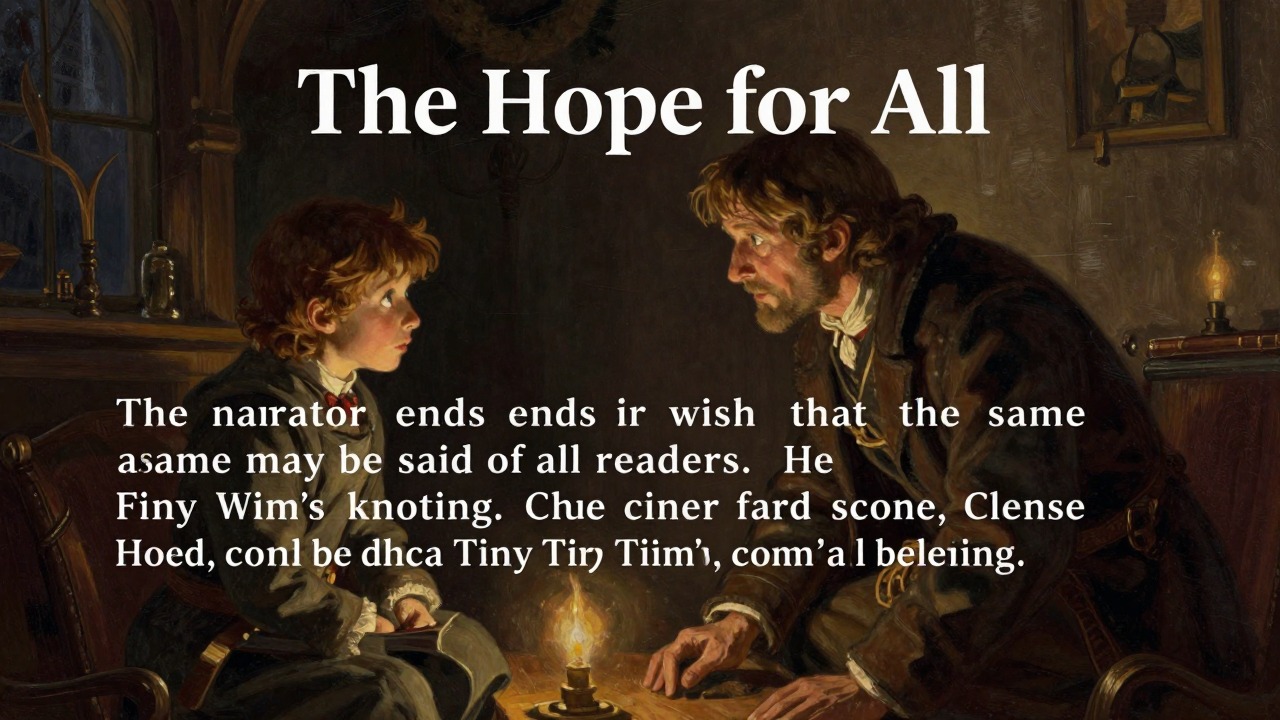
The Hope for All
The narrator ends with a wish that the same may be said of all readers. He echoes Tiny Tim's blessing, creating a sense of communal hope.
The Legacy
The narrator's voice is the frame that holds the story together, making the moral personal for the reader.
Beginning of the story
Throughout the story
End of the story
